Camping Logo Vector Line Art Simple
In the modern digital landscape, where visual communication happens in milliseconds, the ability to convey complex ideas through minimal design is a critical skill. Camping Logo Vector Line Art Simple represents a specific intersection of aesthetic clarity and functional utility. It is not merely an image; it is a strategic asset designed for high-impact application across various media channels. Whether you are a small business owner launching an outdoor gear brand, a blogger documenting a hiking trip, or a graphic designer assembling a comprehensive brand identity, understanding how to integrate this type of minimalist illustration into your workflow is essential.
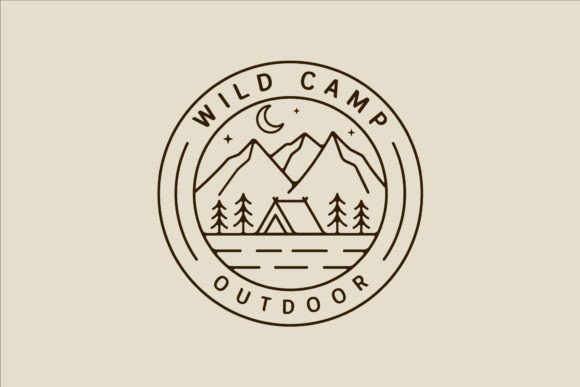
The core value of this design lies in its reductionist approach. By stripping away unnecessary details and focusing on the essential elements—pines, mountains, tents, and celestial bodies like the moon and stars—it creates a symbol that is instantly recognizable. This simplicity is what makes it versatile. A cluttered logo can become unreadable when scaled down for a social media profile picture or a mobile app icon. However, a linear, monoline design maintains its integrity regardless of size. The Camping Logo Vector Line Art Simple concept relies on clean outlines and negative space to define the scene, ensuring that the message of "wild nature" and "adventure" remains clear even at the smallest resolutions.
Strategic Integration into Creative Workflows
For professionals and creators, the implementation of vector assets should never be an afterthought. Integrating Camping Logo Vector Line Art Simple into a project requires a structured approach to ensure consistency and quality. The process begins with preparation. Before opening any design software, it is vital to understand the scope of the project. Are you creating a full branding package, or do you need a single icon for a newsletter? The versatility of the vector format allows for seamless adaptation across these different stages.
When working within a broader creative process, this asset serves as a foundational element. For instance, if you are designing a travel brochure, the logo acts as the visual anchor. Its circular badge format provides a natural frame for text, allowing you to overlay campaign slogans or dates without disrupting the composition. Because the design is isolated on a transparent background, it interacts cleanly with any color palette or texture you choose to apply. This flexibility is crucial for maintaining brand consistency across diverse touchpoints, from digital advertising flyers to physical merchandise.
The workflow often involves a transition from concept to execution. Once the decision is made to use this specific line art style, the next step is file management. The inclusion of multiple formats—SVG, PNG, JPG, PDF, and EPS—means that the asset is compatible with almost every stage of production. For initial layout work in Adobe Illustrator, the EPS or SVG files offer the highest level of editability. You can adjust stroke weights, modify the spacing between the trees and the mountain, or recolor the entire emblem to match a new seasonal theme. This level of control ensures that the final output aligns perfectly with your vision.
Technical Compatibility and File Management
Efficiency in design is often dictated by the tools available. The Camping Logo Vector Line Art Simple template is engineered to bridge the gap between different software ecosystems. If your team uses vector-based applications like Adobe Illustrator or CorelDRAW, the EPS and SVG files are the gold standard. These formats allow for infinite scaling without pixelation, which is a common pitfall when using raster images. You can take a design meant for a large banner and shrink it down to fit on a business card without losing any sharpness or detail.
However, the real-world application often demands raster formats. When preparing content for web use, email marketing, or social media platforms, the PNG and JPG files become indispensable. The provided 300 DPI PNG with a transparent background is particularly valuable for overlaying the logo onto photographs of landscapes or product shots. It eliminates the need for manual masking or cutting out backgrounds, saving hours of tedious editing time. Similarly, the PDF file ensures that the graphics remain crisp when sent directly to print shops, guaranteeing that the final physical product matches the digital preview.
Organization is another key factor in successful integration. When downloading a bundle containing these various formats, it is best practice to create a dedicated folder structure immediately. Separate the vector files (EPS, SVG) from the raster files (PNG, JPG) and the document files (PDF). This separation streamlines the handoff process between designers and developers or printers. It prevents the accidental use of a low-resolution JPG when a high-quality vector is required, thereby avoiding costly reprints or blurry web graphics.
Diverse Application Scenarios
The utility of this design extends far beyond simple logo placement. The Camping Logo Vector Line Art Simple concept is a flexible tool that adapts to numerous contexts. Consider the scenario of a family planning a vacation or a group organizing a camping retreat. The circle badge, featuring pines, a cabin, and a starry night sky, serves as an excellent insignia for event invitations or t-shirts. The minimalist nature of the line art ensures that the text remains legible, while the imagery evokes the feeling of refreshment and wanderlust associated with the outdoors.
For entrepreneurs and marketers, the potential for monetization and branding is significant. These designs are ideal for physical products such as mugs, ornaments, and tote bags. The clean lines translate well to screen printing and vinyl cutting. Because the design is composed of simple paths, it cuts cleanly from vinyl material, making it perfect for bulk production of stickers or wall decals. Imagine a campsite shop selling custom gear; applying this logo to a mug or a tent fly creates a cohesive brand experience that resonates with customers seeking authenticity and adventure.
Educators and bloggers can also leverage this asset to enhance their content. A blog post about "Top 5 Hiking Trails" becomes more engaging with a relevant, professional-looking header icon. Instead of searching for generic stock photos that might look overused, using a unique, minimalist vector adds a layer of sophistication. It signals to the reader that the content is curated and thoughtfully designed. Furthermore, the linear style fits well with modern UI/UX trends, making it suitable for app icons or navigation menus for travel websites.
Maintaining Quality and Long-Term Value
One of the most overlooked aspects of using design assets is long-term maintenance. A static image can quickly become dated if it does not adapt to changing trends. The strength of Camping Logo Vector Line Art Simple lies in its timeless appeal. Minimalism rarely goes out of style because it focuses on form rather than fleeting decorative trends. By using a monoline style, the design remains fresh and relevant for years, reducing the need for frequent rebranding.
Quality control is also paramount. While the download includes high-definition files, it is always advisable to test the asset in its intended environment before finalizing a project. Open the EPS file in your preferred vector program to check for any unexpected nodes or path issues. Verify that the transparency in the PNG file renders correctly against both light and dark backgrounds. This pre-flight check ensures that the final deliverable meets professional standards.
Ultimately, the decision to incorporate this specific vector art into your projects is a decision to prioritize clarity and efficiency. It removes the friction of finding the right image and provides a ready-made solution that communicates the spirit of the wilderness. Whether you are cutting vinyl for a local event, printing business cards for an outdoor guide service, or designing a website for a national park, this asset provides the visual language needed to connect with your audience. By understanding the technical specifications and planning the integration carefully, you can maximize the impact of this design, turning a simple line drawing into a powerful symbol of exploration and connection.